5 Things About Tsugumi Kataoka That Hardcore Fans Already Know (And Everyone Else Should)

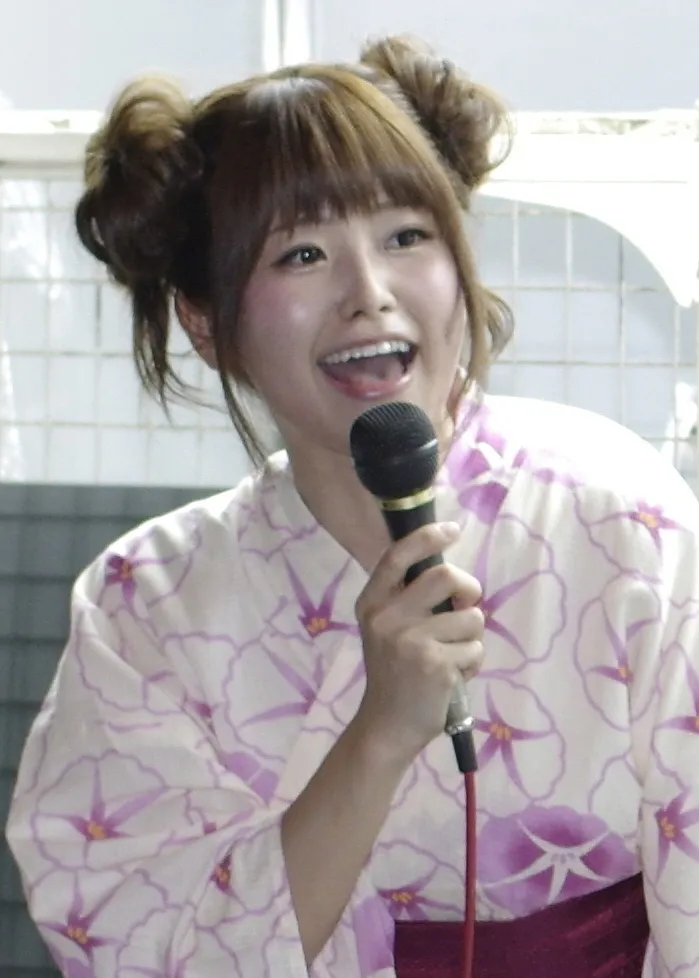
Photo: Baldwin Saintilus, CC BY 2.0, via Wikimedia Commons
If you've spent any time in Tsugumi Kataoka fan spaces — whether that's dedicated forums, fan accounts, or the comment sections of her interviews — you've probably noticed that her most devoted followers have done their homework. They've tracked down obscure behind-the-scenes clips, translated magazine profiles, and pieced together a pretty detailed picture of who she is when the cameras aren't rolling.
For everyone else, consider this your catch-up session. Here are five things about Kataoka's creative process and personal approach to her work that go well beyond the standard biography.
1. She Treats Preparation Like a Second Job
This one comes up again and again in Japanese entertainment coverage, and fans who've followed her interviews closely will recognize it immediately. Kataoka doesn't just read a script — she builds a whole internal world around a character before she ever steps in front of a camera.
In various behind-the-scenes features, she's talked about keeping detailed notebooks for each role: not just notes on dialogue or motivation, but observations about how the character might move, what they'd order at a restaurant, what music they'd listen to. It's the kind of method-adjacent preparation that actors at conservatories are taught, but Kataoka seems to have developed it largely on her own terms.
What's interesting is that she's described this process as something that happens mostly in the quiet moments — commuting, waiting, the in-between spaces of daily life. The notebook is apparently always nearby. For fans who've noticed a particular physical specificity in her performances, this habit probably explains a lot.
2. Her Taste in Film Is Genuinely Eclectic — and Very Specifically Curated
When Kataoka has been asked about her cinematic influences, the answers tend to surprise people expecting a straightforward list of Japanese classics. Yes, she has deep respect for the foundational works of Japanese cinema. But the references she reaches for span continents and decades in ways that feel genuinely personal rather than curated for an interview.
Fan communities have pieced together a running list of titles she's mentioned across various interviews and social media posts over the years. It includes European art house directors, classic Hollywood character studies, and some contemporary American indie work that you wouldn't necessarily expect. There's a particular affinity for films that prioritize interiority — stories where the most important things happening are happening inside a character's head.
That preference shows up in how she chooses projects, too. She's been drawn consistently to roles that require that kind of interior work, where what's not said carries as much weight as the dialogue.
3. She Has a Long-Standing Connection to Theater That Shapes Everything She Does
Screen performance and stage performance are different disciplines, and actors who move between them often talk about how each one changes the other. For Kataoka, her relationship with theater isn't just a biographical footnote — it's something that actively informs how she approaches film and television work.
Her stage background gave her a different relationship to the body in performance. Theater demands projection, physical commitment, and a kind of sustained presence that a camera can interrupt and repeat. Film asks for something more internal, more subtle. Kataoka has talked about the tension between those two modes as something she finds genuinely productive rather than frustrating.
Fans who've seen her live stage work alongside her screen performances often describe a noticeable throughline — a quality of full-body commitment that doesn't disappear just because the scale changes. That's the theater training talking.
4. She's More Involved in the Creative Process Than Her Credits Suggest
This is one that tends to surface in director interviews and production notes rather than in Kataoka's own comments, because she's generally pretty modest about it. But people who've worked with her have noted that her contributions to a project often extend well beyond the performance itself.
There are accounts of her asking detailed questions about lighting choices and their emotional effect, engaging with writers about character consistency across scenes, and offering observations about pacing that ended up influencing editing decisions. None of this is unusual for a performer with serious craft investment — but it's not always visible from the outside.
For fans who've noticed that her performances feel unusually cohesive across a given project — like every choice connects — this behind-the-scenes involvement might be part of the explanation. She's not just inhabiting a role; she's thinking about how that role functions within a larger whole.
5. She Takes Rest Seriously — and Considers It Part of the Work
This one might be the most counterintuitive item on the list, especially in an entertainment industry culture that tends to treat busyness as a virtue. But Kataoka has been fairly open, in interviews and occasional social media moments, about the fact that she's deliberate about downtime.
This isn't just self-care messaging. The way she's framed it, rest is part of how she refills the creative well. She's described periods between projects as necessary for staying curious, for noticing things in everyday life that eventually find their way into performances. The goal isn't to be constantly productive — it's to show up for the work with something genuine to give.
For a fanbase that understandably wants to see as much of her work as possible, this might require a little patience. But judging by the quality and consistency of what she produces, the approach seems to be working.
There's a version of celebrity coverage that keeps everything at surface level — the roles, the looks, the milestones. And then there's the stuff that actually explains why someone's work hits the way it does. For Kataoka, it's the notebooks, the cinematic obsessions, the stage roots, the quiet creative collaboration, and yes, the intentional rest. Put it all together and you've got a pretty clear picture of a performer who thinks seriously about what she does. And that, more than anything, is probably why her work keeps finding new audiences.