Dressed for the World: How Tsugumi Kataoka's Style Has Always Been Telling Her Story
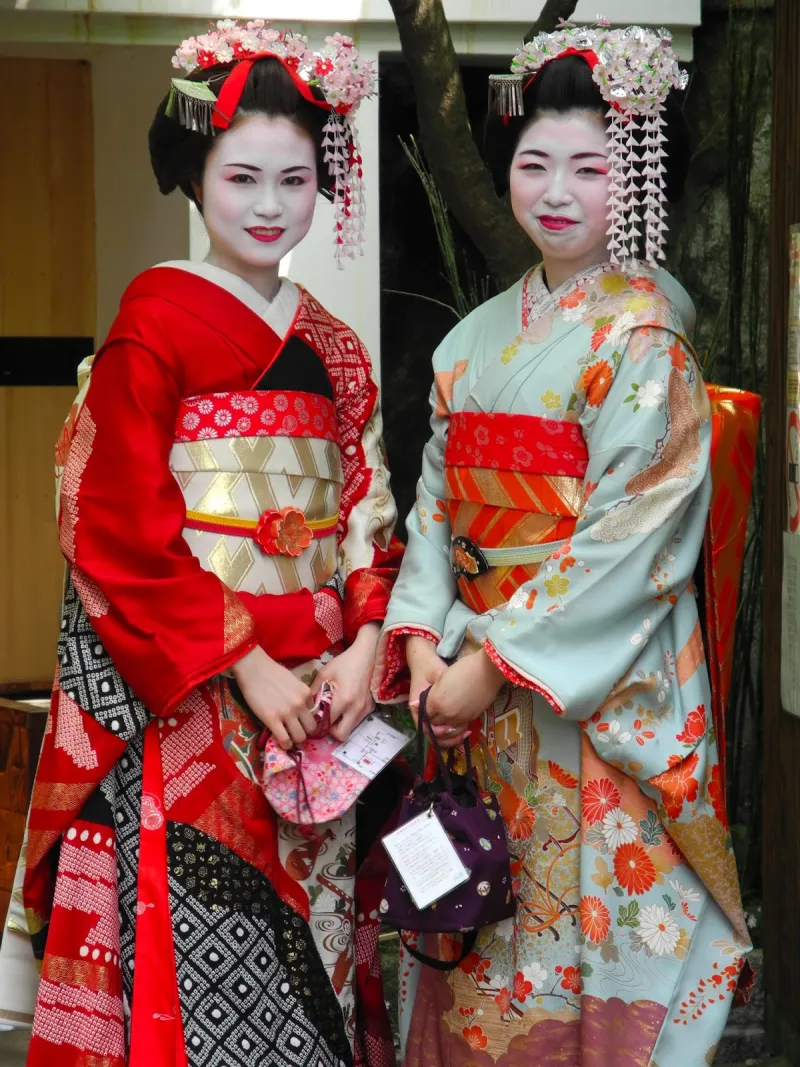
Photo: Japanese actress elegant red carpet fashion event, via 1.bp.blogspot.com
There's a particular kind of performer who treats fashion as an extension of their craft. Not just wearing clothes to look good, but using every hem, silhouette, and color palette as a deliberate statement. Tsugumi Kataoka is absolutely that kind of performer — and once you start paying attention, her style evolution reads like a career biography you didn't know you needed.
Let's break it down, era by era.
The Early Years: Quiet Confidence in Tokyo
When Tsugumi was still building her profile on Japanese television, her public appearances had a distinctly restrained elegance. Early press appearances showed a preference for structured, minimal pieces — think clean lines, muted palettes, and an almost architectural approach to dressing. Nothing screamed for attention, but nothing faded into the background either.
This wasn't accidental. Japanese entertainment culture has its own complex relationship with celebrity fashion. There's a fine line between standing out and seeming to try too hard, and young performers often navigate it carefully. Tsugumi seemed to understand this instinctively. Her early looks leaned into fabrics that photographed beautifully without relying on embellishment — monochrome coordinates, subtle texture play, and precise tailoring that gave her a presence far beyond her years at the time.
What's interesting in retrospect is how much those early choices telegraphed a certain self-assurance. She wasn't dressing to fit a mold. She was dressing like someone who already knew she'd outgrow whatever box the industry tried to put her in.
Transitional Moments: When the Range Started Showing
As her career expanded and her roles got more varied, the wardrobe followed suit. This is where things get genuinely fun to track. Promotional cycles for different projects started to show a performer willing to take risks — not reckless ones, but the kind of calculated pivots that signal artistic confidence.
For projects with a grittier or more dramatic tone, she'd lean into darker, more structured editorial looks. For lighter fare or variety appearances, there was a playfulness that came through — bolder colors, unexpected silhouettes, the occasional print that made you look twice. It's the kind of range that stylists dream about working with, because it suggests a client who isn't locked into a single identity.
American fans who've come to know her more recently sometimes assume her versatility is a recent development. It isn't. The evidence has been there in the fashion record for years.
Red Carpet Moments That Caught Everyone's Attention
When Tsugumi started appearing at events with international audiences in the mix, the looks shifted again — and this is where the evolution becomes genuinely compelling for fashion observers.
There's a specific challenge that Japanese entertainers face when crossing into Western-facing media spaces: the temptation to either fully adopt Western fashion conventions or lean so hard into stereotypically "Japanese" aesthetics that it becomes a costume rather than a wardrobe. Tsugumi has consistently avoided both traps.
Her internationally visible appearances have shown a real fluency in blending. There's an appreciation for craftsmanship that connects to Japanese fashion sensibility — interest in construction, in the way a garment moves, in restraint as a design principle — but filtered through a global awareness of what reads on a red carpet. The result is looks that feel genuinely her own rather than committee-designed for market appeal.
She's been spotted in pieces from both established Japanese designers and internationally recognized houses, often mixing in ways that feel organic rather than strategically calculated. That's harder to pull off than it looks.
What the Accessories Say
If you really want to understand a performer's relationship with fashion, watch the accessories. Bags, shoes, jewelry — these are where personal taste tends to assert itself most clearly, because they're the details that stylists often leave to the talent's own discretion.
Tsugumi's accessory choices have consistently leaned understated and precise. She's not a maximalist. There's rarely an overloaded moment, but there's also rarely something that feels like an afterthought. A single statement earring. A bag that's interesting without being loud. Footwear that completes rather than competes.
For American audiences used to the everything-at-once approach that dominates a lot of celebrity dressing stateside, her approach can read as refreshingly edited. It's a different philosophy — one that trusts the viewer to pay attention rather than demanding it.
The Bigger Picture
Style analysis can feel superficial if you treat it as just cataloguing outfits. But when you look at Tsugumi Kataoka's fashion timeline as a whole, what you're really seeing is a performer who has always been intentional. Intentional about image, about identity, about the story she's telling the world at any given moment.
From the precise minimalism of her early Tokyo appearances to the globally fluent looks she's bringing to international stages, the throughline is control — not in a rigid way, but in the way that genuine self-knowledge expresses itself. She knows what she's doing.
For fans who've been following her from the beginning, that consistency is part of what makes watching her so satisfying. And for the American audiences just discovering her now, the fashion record is one more reason to pay close attention to everything she does next.